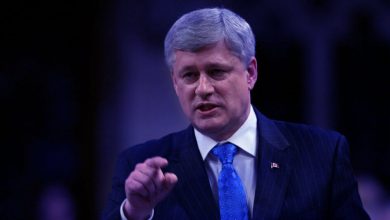


Carney Government Dismisses Call to Alter Judicial Selection Process
Federal leaders reaffirm commitment to judicial independence amid intergovernmental dispute

By: Ebenezer Adu-Gyamfi / Emmanuel Ayiku for GhanaianNewsCanada 5/2/2026
The federal government under Prime Minister Mark Carney has firmly rejected a proposal by Alberta Premier Danielle Smith to overhaul the way judges are selected in Canada, setting the stage for a broader debate about judicial independence and provincial-federal relations.
The disagreement stems from Premier Smith’s contention that the current system for nominating and appointing judges does not adequately reflect provincial interests, particularly in light of legal rulings she views as unfavourable to her government’s policies. In response, federal officials have stressed the importance of maintaining a selection process that is impartial, transparent and rooted in national standards.

Premier Smith’s Proposal and Federal Response
Premier Smith had urged Ottawa to modify the criteria and authority governing judicial appointments, arguing that provinces should have a stronger voice in choosing judges who will preside over cases affecting their jurisdictions. Her comments came as part of broader concerns about perceived judicial activism and provincial autonomy.
Federal representatives, however, have made clear that the Constitution and established conventions surrounding the judiciary are designed to safeguard the separation of powers and protect the rule of law. They emphasised that altering the selection process at this time could undermine public confidence in the impartiality of the courts.
“Our judiciary must reflect the principles of independence and fairness,” a federal spokesperson said. “Changes to its foundational selection mechanisms must be approached with great care, not driven by short-term political objectives.”
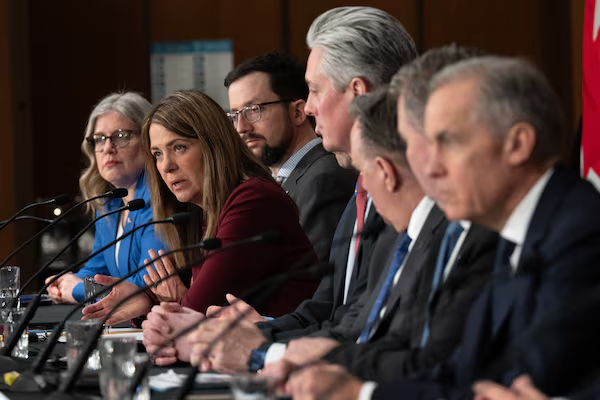
Wider Debate Over Judicial Independence
The standoff has reignited discussions across Canada about the balance between judicial accountability and independence. Advocates for reform argue that some provinces should have more influence in shaping the bench, particularly for courts that hear cases arising within their borders.
Conversely, legal experts and constitutional scholars warn that increasing political input into the appointment process could erode the very safeguards that protect judges from partisan pressure. They maintain that the current system, which involves advisory committees and merit-based evaluations, helps ensure that appointments are based on qualifications rather than political considerations.
Intergovernmental Tensions Highlighted
The dispute between Alberta and the federal government adds to a series of tensions in recent years over jurisdictional powers and constitutional interpretation. Premier Smith, known for her outspoken approach to federal-provincial relations, has previously clashed with Ottawa on issues ranging from energy policy to fiscal transfers.
Federal officials, for their part, have reiterated the importance of constructive dialogue between levels of government while upholding the integrity of national institutions. They say any changes proposed to core elements of Canada’s legal framework must be carefully vetted and discussed through established constitutional channels.
Public Reaction and Next Steps
Reactions from Canadians have been mixed, with some expressing support for greater provincial influence over judicial matters, while others caution against politicizing the courts. Public opinion appears to reflect broader questions about trust in institutions and the role of government in shaping societal outcomes.
For now, the Carney government remains committed to the current judicial selection framework, signaling that any significant reforms would require thorough public consultation and cooperation across jurisdictions.
Read Next: Government Proposal to Rename Kotoka International Airport Triggers National Debate