By: Ebenezer Adu-Gyamfi / Emmanuel Ayiku for GhanaianNewsCanada 19/1/2026

The year 2025 will be remembered as one of the most eventful and emotionally charged periods in Ghana’s recent history. It was a year marked by notable economic recovery but also overshadowed by national tragedies and intense political controversies that tested the country’s institutions and social cohesion.
Economic Recovery Exceeds Expectations
Amid global economic uncertainty, Ghana recorded stronger-than-expected economic performance in 2025. The country’s economy outperformed projections, earning praise from the International Monetary Fund (IMF) for improved macroeconomic management.
Economic growth accelerated, with the economy expanding by 5.5 percent in the third quarter of the year, while inflation declined faster than anticipated. These gains were widely attributed to fiscal discipline, policy reforms, and improved revenue management.
Ghana’s progress was further reinforced when the IMF approved its fifth programmed review, unlocking an additional financial disbursement. This brought total IMF support to approximately $2.8 billion, strengthening foreign reserves and boosting investor confidence. While the recovery offered hope, many citizens continued to feel the pressure of high living costs, highlighting the gap between macroeconomic gains and everyday realities.
A Year Marred by National Tragedies
Despite economic progress, 2025 was deeply scarred by a series of tragic events that shocked the nation. At least seven major disasters dominated headlines, ranging from deadly road accidents and aviation incidents to communal violence and the deaths of prominent national figures.
One of the most heartbreaking incidents occurred at the El Wak Sports Stadium, where a stampede during an event claimed the lives of six young women, triggering national mourning and calls for improved crowd control and public safety measures.
Communal and land-related conflicts also escalated in parts of the country, resulting in 31 deaths and the displacement of nearly 48,000 people, exposing long-standing issues related to land ownership and conflict resolution.


The nation was further plunged into grief following a Ghana Air Force helicopter crash, which killed eight people, including Defence Minister Edward Omane Boamah. The tragedy raised serious concerns about aviation safety and military logistics.
Political Controversies and Institutional Strain
Politics in 2025 was marked by heightened tension and controversy, with decisions that sparked widespread public debate.
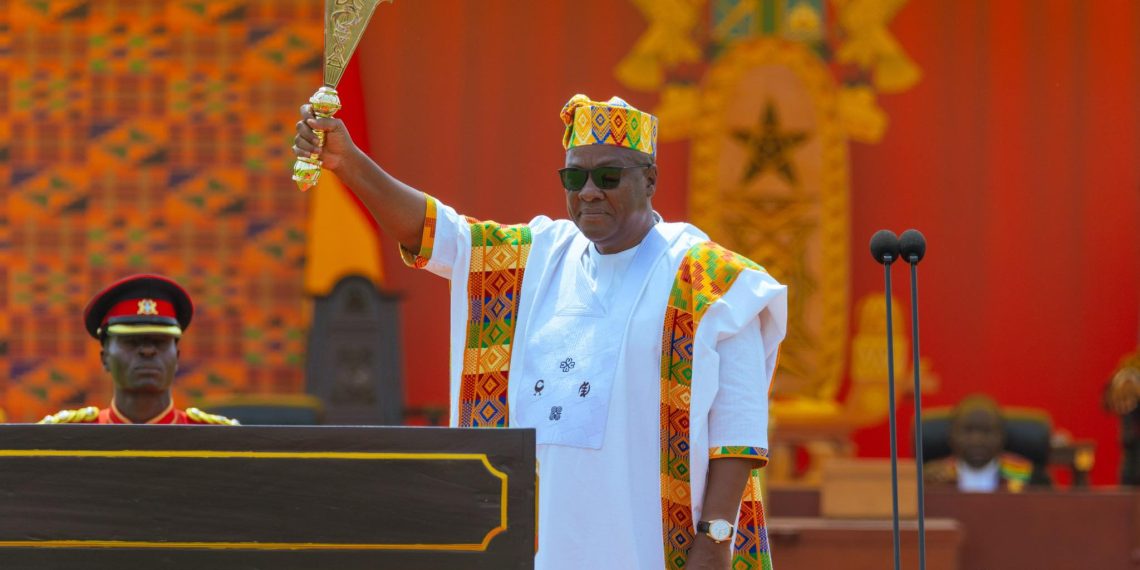
President John Mahama’s suspension of Chief Justice Gertrude Torkornoo became one of the most contentious issues of the year. Supporters viewed the move as constitutional, while critics warned it threatened judicial independence and democratic stability.
The political climate was further inflamed when former Finance Minister Ken Ofori-Atta faced corruption charges and was later declared a fugitive, reigniting discussions around accountability, selective justice, and anti-corruption enforcement.
Additionally, the reintroduction of the anti-LGBTQ+ bill by lawmakers drew strong criticism from international partners and human rights organizations, placing Ghana under global scrutiny and raising concerns about its diplomatic and economic implications.
Sports: Triumphs, Disappointment, and Reform
Sports played a major role in Ghana’s national conversation in 2025. The Black Stars’ AFCON campaign generated excitement but ended amid controversy, following incidents at the tournament’s final that led CAF to condemn unacceptable behaviour and open disciplinary reviews.
Local football also faced scrutiny, with renewed calls for better officiating, stadium safety, and league reforms. However, Ghana recorded successes in boxing, athletics, and women’s football, with young athletes making waves on the continental stage and restoring pride among fans.
Investment in grassroots sports and stadium infrastructure became a major talking point, especially after safety concerns at public sporting venues.
Music and Creative Arts: Ghana’s Cultural Powerhouse
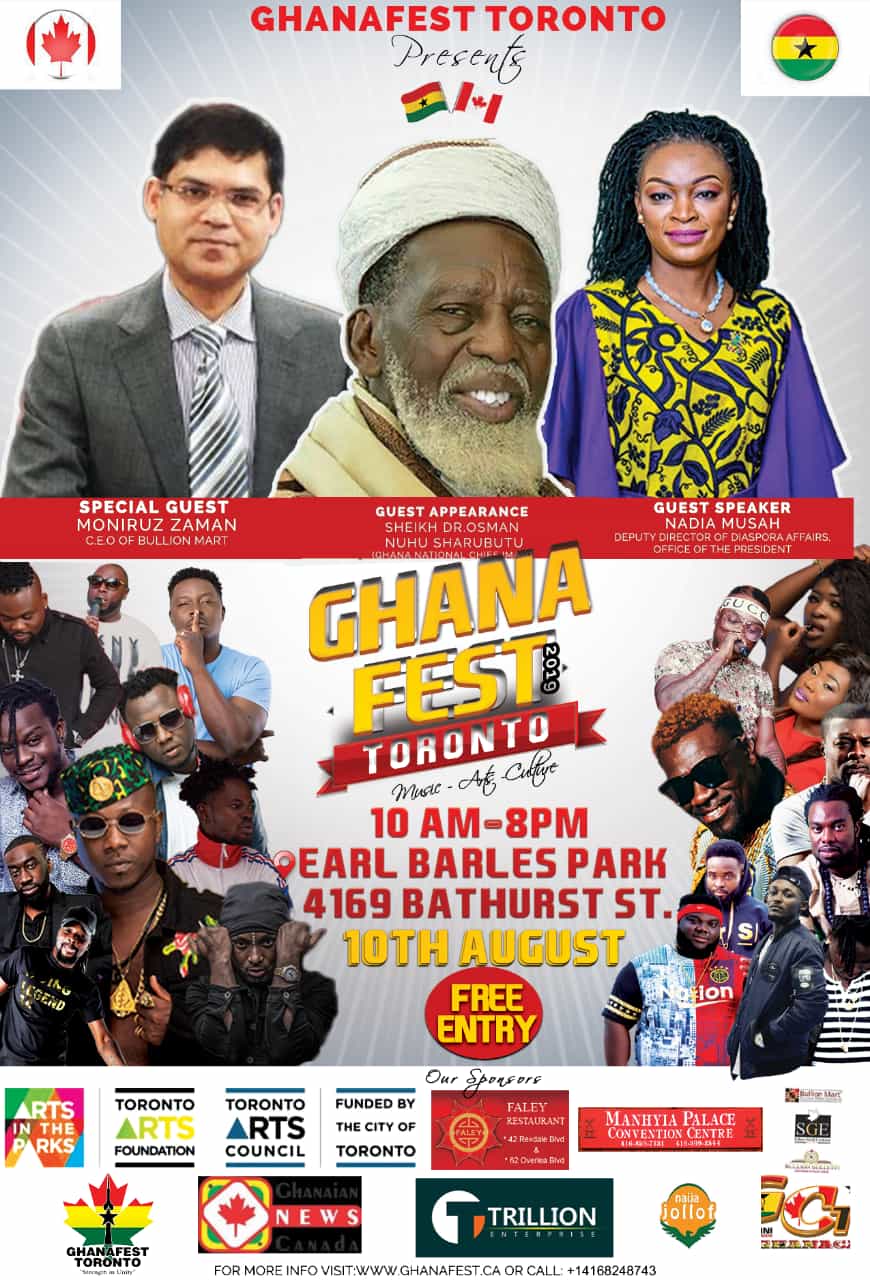
Ghana’s music industry continued to thrive in 2025, reinforcing the country’s position as a global cultural influence. Artists across Afrobeats, Highlife, Gospel, and Dancehall gained international recognition, performing on global stages and collaborating with international stars.
Major festivals, album releases, and sold-out concerts energized the entertainment scene, while Ghanaian musicians dominated streaming platforms across Africa and the diaspora. However, debates over royalties, digital rights, and artist welfare resurfaced, pushing calls for stronger copyright enforcement and industry regulation. The creative arts sector remained a key contributor to youth employment and cultural diplomacy.
Beyond politics and economics, 2025 was a standout year for Ghana’s music industry, driven by artistes whose consistency, discipline, and global ambition kept Ghana’s cultural flag flying high.
Several musicians distinguished themselves not just through hit songs, but through touring, international collaborations, brand endorsements, and cultural impact.
Stonebwoy remained one of Ghana’s most industrious global exports. Throughout 2025, he toured internationally, performed at major festivals across Africa, Europe, and North America, and released projects that strengthened Ghana’s presence in the global Afrobeats and reggae-dancehall space. His consistency and international reach earned him respect both locally and abroad.
Sarkodie continued to prove why he remains one of Africa’s most respected lyricists. In 2025, he maintained relevance through strategic releases, high-profile collaborations, and sold-out shows. His influence extended beyond music into business and mentorship, inspiring a new generation of rappers.
Black Sherif stood out as one of the hardest-working younger artistes of the year. With nonstop performances, emotionally charged music, and strong international reception, he cemented his position as a global voice from Ghana. His work ethic and storytelling resonated deeply with both local and diaspora audiences.
King Promise enjoyed a successful year marked by international tours, chart-topping singles, and growing recognition outside Ghana. His smooth blend of Afrobeats and R&B helped expand Ghana’s sound into new markets.
In the gospel scene, Joe Mettle and Diana Hamilton remained consistent, using music to inspire, heal, and unite audiences through concerts, worship events, and chart-topping releases.
Dancehall artiste Shatta Wale continued to dominate conversations in 2025 through constant music releases, performances, and a strong online presence. Despite controversies, his influence and work rate kept him among the most talked-about artistes of the year.
Emerging talents such as Lasmid, OliveTheBoy, Gyakie, and Camidoh also had breakthrough moments, gaining international airplay and proving that Ghana’s music future remains bright.
Cultural Impact Beyond Entertainment
These artistes did more than entertain in 2025 they promoted Ghanaian culture, created employment across the creative value chain, and positioned Ghana as a global cultural powerhouse. Their hard work highlighted the growing economic importance of the creative arts sector and its role in youth empowerment.
Business and Entrepreneurship: Resilience Amid Pressure
Ghana’s business environment in 2025 reflected both resilience and caution. While high interest rates and operating costs challenged small and medium-sized enterprises, innovation and entrepreneurship continued to flourish.
Fintech, agribusiness, logistics, and digital commerce emerged as growth areas, supported by policy reforms and private-sector investment. Initiatives such as passport delivery reforms by Ghana Post demonstrated how public-private collaboration could improve service delivery.
Foreign investors showed renewed interest following economic stabilization, although business leaders called for tax reforms, stable energy supply, and easier access to credit to sustain growth.
Conclusion: A Year That Redefined Ghana’s Path
In retrospect, 2025 was a defining year for Ghana a year of recovery and reckoning, celebration and sorrow. It revealed the country’s capacity to stabilize its economy and assert cultural influence, while also exposing deep governance, safety, and social challenges.
As Ghana moves forward, the experiences of 2025 serve as a powerful reminder that progress must be inclusive, institutions must remain strong, and national unity must be protected. The lessons of the year will continue to shape Ghana’s future for decades to come.