
Canada Post to Phase Out Door-to-Door Delivery Nationwide
Cost-cutting reforms to replace home service with community mailboxes amid declining mail volumes
By Ebenezer Adu-Gyamfi / Emmanuel Ayiku | Reporting for Ghanaian News, Canada March 30, 2026
Canada Post is moving forward with plans to phase out traditional door-to-door mail delivery, marking one of the most significant transformations in the country’s postal system in decades.

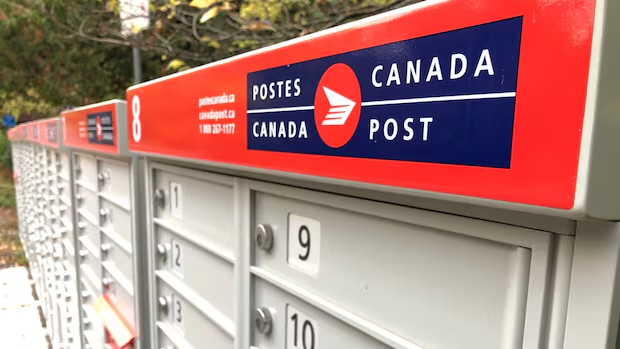
The move will see millions of households transitioned from home delivery to centralized community mailboxes, as part of a broader restructuring effort designed to improve efficiency and restore financial sustainability.
The plan follows a directive from the federal government allowing Canada Post to implement sweeping operational changes in response to mounting financial losses and declining letter mail volumes. Officials say the current model is no longer viable in an era increasingly dominated by digital communication and parcel delivery.
Under the proposal, the remaining households still receiving door-to-door delivery—estimated at around four million addresses—will gradually be converted to community mailbox systems over several years.
Authorities say the transition will be phased, with the majority of conversions expected within the next three to four years, while the full rollout could take up to a decade.
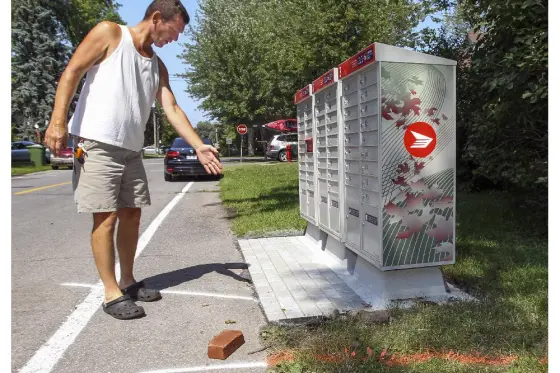
The shift is expected to generate significant cost savings. Government estimates suggest that moving to community mailboxes could save hundreds of millions of dollars annually, helping stabilize the finances of the state-owned postal service.
The decision is part of a wider modernization strategy that also includes adjusting delivery standards, upgrading postal infrastructure, and reducing operational costs.
Canada Post has faced growing financial pressure in recent years, reporting substantial losses driven by declining mail volumes and rising delivery costs. Officials say reform is necessary to ensure the long-term survival of the service without relying on continuous government bailouts.
However, the plan has sparked criticism from labour groups and some community advocates, who argue that ending home delivery could disproportionately affect seniors, people with disabilities, and those living in harsh weather conditions.
Postal unions have also raised concerns about potential job losses and changes to working conditions, warning that the transformation could have far-reaching impacts on employees and service quality.
Despite the opposition, government officials maintain that the changes are essential to align Canada Post with modern delivery demands while preserving access to services, particularly in rural and remote communities.
The transition marks a continuation of a long-term trend, with a majority of Canadian households already receiving mail through centralized mailboxes rather than direct home delivery.